
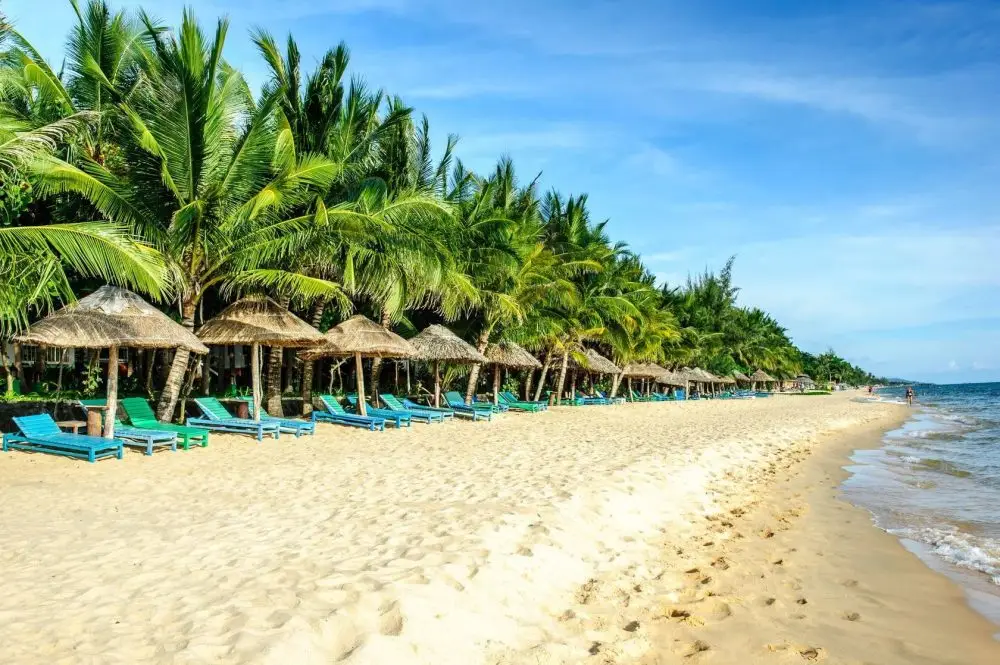
Vietnam’s coastline doesn’t give the appearance of competing with the Caribbean. It’s silent. But it does it spectacularly. Here the water does not sparkle, but glows, the sand does not fall down, but lies under the feet with such respect, as if it knows that holidaymakers will fly home not soon. Beautiful beaches of Vietnam are not just a background to accompany your holiday. They turn it into a full-fledged event.
Phu Quoc is the absolute horizon point
The beaches of Fukuoka don’t argue with the sun, they make friends. The main island in the archipelago spreading in the south of Vietnam offers more than 20 kilometres of coastline with white sand that crunches underfoot like morning snow.
The infrastructure is Western-style: boutiques next to palm trees, coffee shops with Wi-Fi at the water’s edge, luxury resorts next to fishing villages. Fukuoka’s resort areas are geared towards the international tourist – with the expectation that they will return.
Da Nang is a city where sand rivals skyscrapers
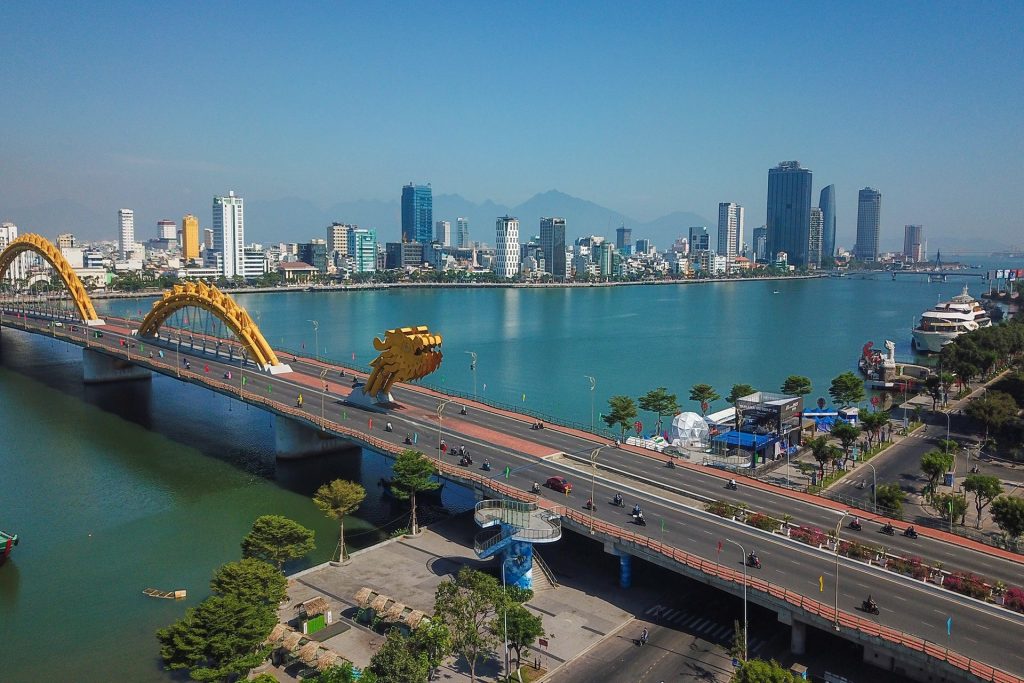 Da Nang has become one of the top ten fastest growing cities in Southeast Asia and holds the title of the business capital of coastal holidays. Da Nang’s coastline stretches for more than 30 kilometres.
Every morning here begins with jogging by locals and ends with evening concerts by the water. The waves are suitable for beginner surfers: the height is up to 1.5 metres with regular frequency. The sights around – Marble Mountains, Linh Ung Pagoda, Dragon Bridge – work as companions to the main star: the beach.
Mui Ne – how the wind draws on the water
The beaches of Mui Ne became a pilgrimage destination for kitesurfers back in the early 2000s. The reason is the constant trade wind that forms waves without aggression. The average annual water temperature is 27°C. The distance from the shore to the depth zone of more than two metres is about 100 metres, making it one of the longest in Asia.
Beautiful beaches of Vietnam in this part of the country acquire shades: golden, peach, in some places reddish. It is here that the famous Red Canyon is located – a natural anomaly that combines the landscape of the desert with the humidity of the tropics. Tourists come not only for recreation, but also for the photogenic nature of the area.
Nha Trang is a classic of the Vietnamese beach genre
The beaches of Nha Trang are the hallmark of Vietnamese coastal tourism. The city stretches along the coastline for almost 7 kilometres.
The density of tourist infrastructure is one of the highest in Southeast Asia: more than 600 hotels and guesthouses at a distance of 2 kilometres. Nearby attractions include the Ponagar Towers, the Oceanographic Museum, and the cable car to Wineperl Island.
The coastline demonstrates how urbanism and beach holidays combine beautifully. At the same time, the service does not deviate from international standards: cabins, showers, security, sun lounger hire – everything is available.
5 best beaches in Vietnam according to tourists
The sea offers a lot, but not everything is of equal value. A proven selection of locations where every metre of coastline lives up to expectations. The coasts on this list have been compiled with the opinions of travellers, tourist reviews and data from popular guides. Different in character, holiday format and natural surroundings, they form the image of a country where holidays become a personal scenario.
Bai Sao, Phu Quoc
Crystal water and silence, which is broken only by coconuts falling from palm trees. Bai Sao is a favourite among holidaymakers with a length of up to 7 kilometres. The depth of water within the coast is up to the waist for almost 50 metres from the shore. This makes it possible to safely enter the water even in the peak season without fearing for safety. The sand here is characterised by its almost powdery texture and snow-white colour, and the water is clear to the bottom. The infrastructure is minimal – a couple of cafes and sunbed rentals, but the atmosphere is suitable for those who avoid mass tourism.
Mai Khe, Da Nang
Infrastructure, surfing and proximity to attractions. Da Nang’s beaches are renowned for their urban logistics: it’s a couple of minutes’ walk from the hotel to the water, and nearby are the Marble Mountains, pagodas and Khan Market. The most famous is Mai Khe, covered in cream-coloured sand and awarded by Forbes magazine as one of the best coastlines in Vietnam. A central location where the waves are perfect for boarders. The coastline here is spacious, with a gentle entrance to the sea and lifeguards on duty.
Tran Phu, Nha Trang
Cleanliness, service, it is the perfect place for your first seaside holiday. The beaches of Nha Trang are characterised by a rich resort infrastructure.
Chan Phu is located in the city centre and offers everything you need: equipment rental, protected territory, developed cafe support. Here the sand is cleaned daily, and lifeguard towers are installed every 300 metres. Nha Trang is among the top resorts in Vietnam due to its combination of urban activity and quality.
Suoi Nuoc, Mui Ne
The unique beauty of the coastline with a transition to desert dunes. The beaches of Mui Ne have traditionally attracted windsurfers and kiteboarders. But Suoi Nuoc stands out for its landscape: the shore gradually turns into sand dunes, creating a feeling of being on the border between the sea and the desert. The sand in this area has a warm yellowish-red colour and the water remains at a comfortable temperature all year round.
Long Beach, Fukuoka
A perfect blend of wildlife and civilisation. Unlike Bai Sao, it stretches along the west coast and is surrounded by a large number of hotels, cafes and beach bars. Here, tourists combine evening strolls by the water with the comfort of urban conditions. The beaches of Fukuoka are valued for their balanced combination of nature, service and a wide coastline.
Each of these coasts exhibits a different character, from wild tranquillity to resort dynamics. A successful choice helps set the whole holiday on the right wave. Vietnam’s beautiful beaches adapt to different styles of travelling – from quiet contemplation to active water sports, from cultural discovery to a complete reboot without fuss.
Conditions that make a holiday special
The beautiful beaches of Vietnam are favoured by the climate. The dry season in the south lasts from November to May, in the central part from February to July. The water temperature rarely drops below 25°C.
The country’s total coastline is over 3,444 kilometres long. Each region offers its own understanding of the word “holiday”: some attract family resorts, others dive sites, others natural parks by the water.
Tourists often choose white sand coasts because they are visually calmer. According to Google Trends statistics, the query “white sand beaches” has been consistently in the top search phrases about Vietnam for the last 3 years.
Beautiful beaches in Vietnam: conclusions
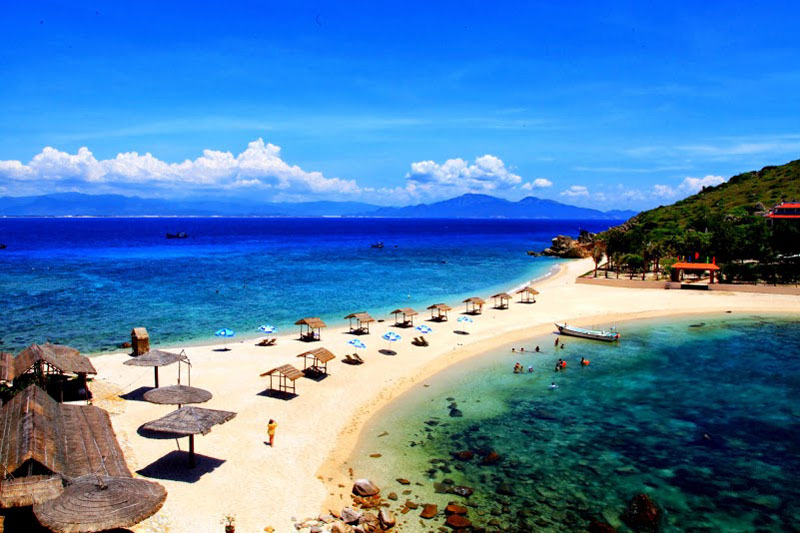 Vietnam’s beautiful beaches have long ceased to be just places to swim. They have become a full-fledged part of the tourist experience, where every morning sounds like an invitation to new discoveries. Nha Trang, Phu Quoc, Da Nang and Mui Ne are not just geographical points, but vectors of different moods, tastes and holiday formats.
The right resort transforms a holiday into a scenario. Here, tourists become the directors, and the water and the shore become the location of the first plan.
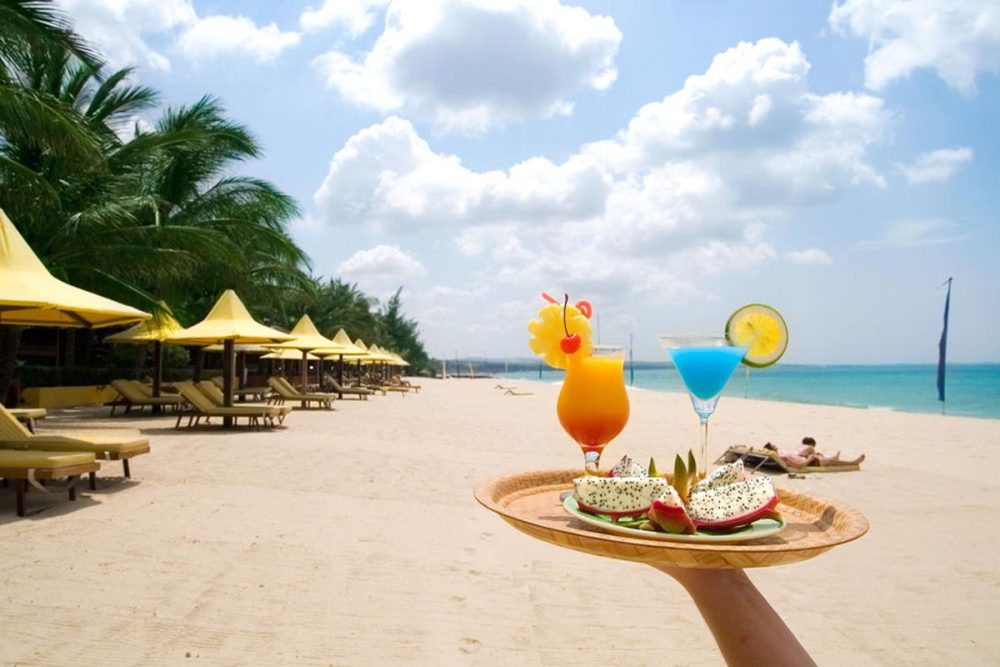
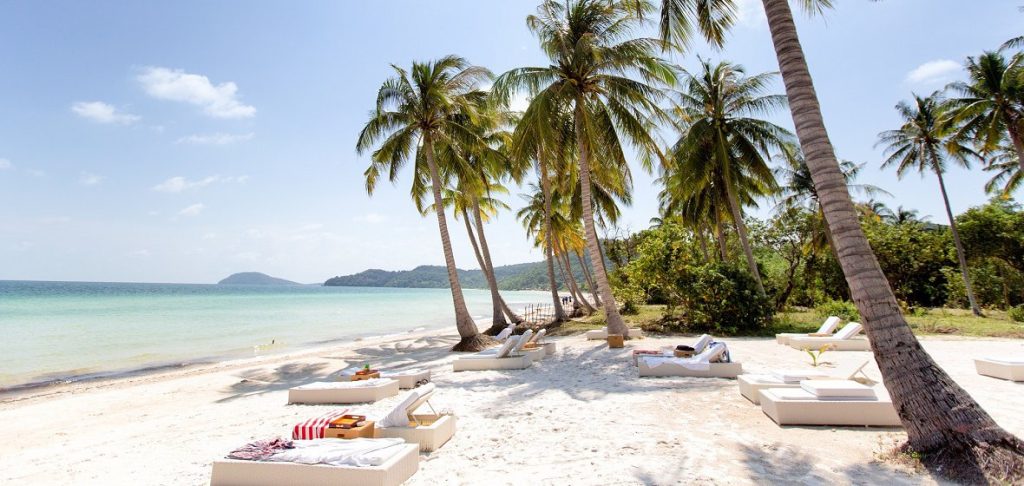 Located in the south-west of the country, Phu Quoc is often referred to as the ‘pearl island’. It is the perfect destination for those looking for a relaxing tropical-style beach holiday in Vietnam. With a coastline of about 150 km, the island offers both secluded lagoons (Bai Sao with white sand, Ganh Zau) and developed areas with hotels to suit every taste – from luxury villas to cosy bungalows in palm groves. The water here is consistently warm (+28-30°C), and the atmosphere favours complete relaxation away from the noise. In addition to relaxing on the beaches, Phu Quoc offers snorkelling and diving off the southern islands of An Toi, visits to pearl farms and black pepper plantations, and a colourful night market in Zuong Dong.
 A beach holiday in Vietnam is a kaleidoscope of experiences. From the white-washed bounty beaches of Fukuoka and the golden sands of Da Nang to the red dunes of Mui Ne and the bustling coastline of Nha Trang, the country offers an amazing variety of landscapes and atmospheres. Add to this warm seas, delicious food, hospitality, developing infrastructure and affordable prices, and you have the perfect holiday destination to satisfy the needs of any traveller. All that remains is to choose your perfect Vietnamese beach!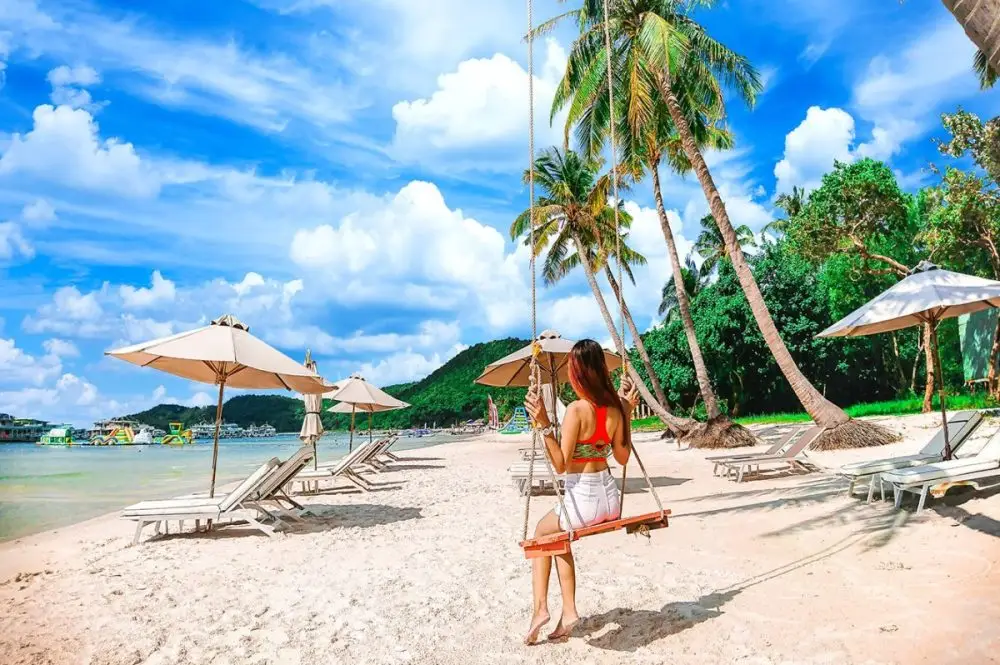
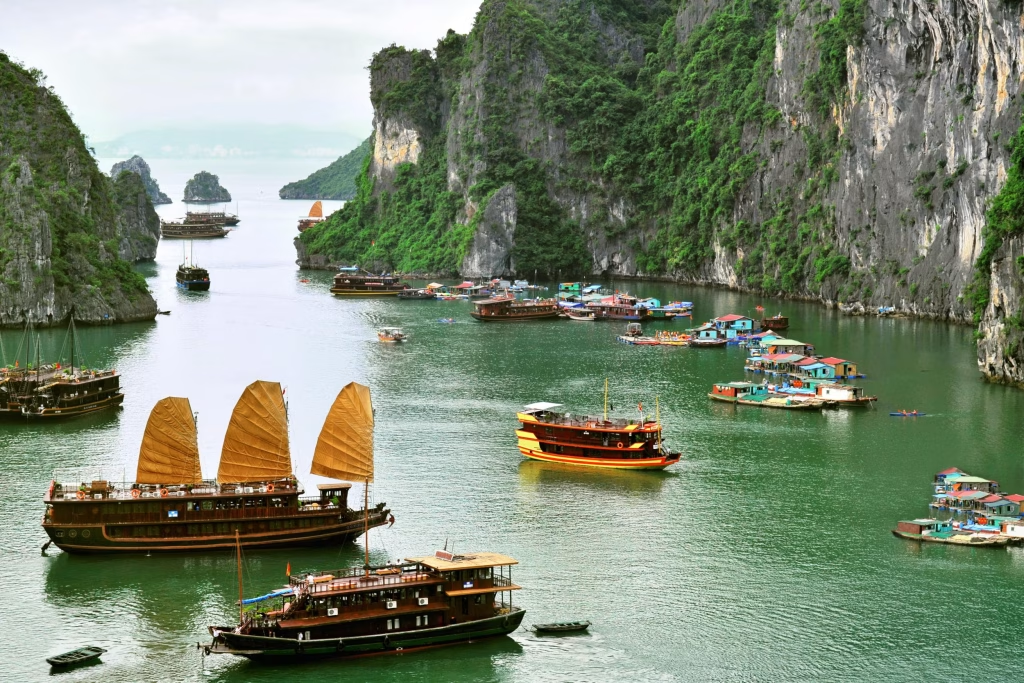 When choosing a holiday in 2025, it’s important to consider the specialities of each region. Vietnam has resorts for everyone. Here you can relax on quiet beaches or plunge into the rhythm of bustling cities with intense nightlife.
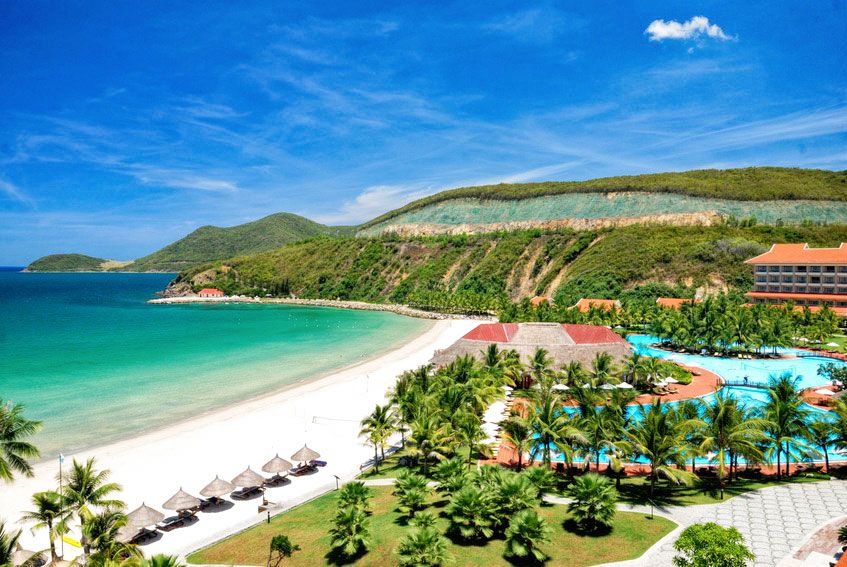 In 2025, the Asian country is still one of the most sought-after tourist destinations. The best resorts in Vietnam offer comfort, entertainment and unique natural scenery. They are perfect for any kind of holiday. Firstly, here you can relax on picturesque beaches. Secondly, you can go on an active journey full of adventure. In addition, Vietnamese resorts provide an opportunity to get acquainted with unusual sights.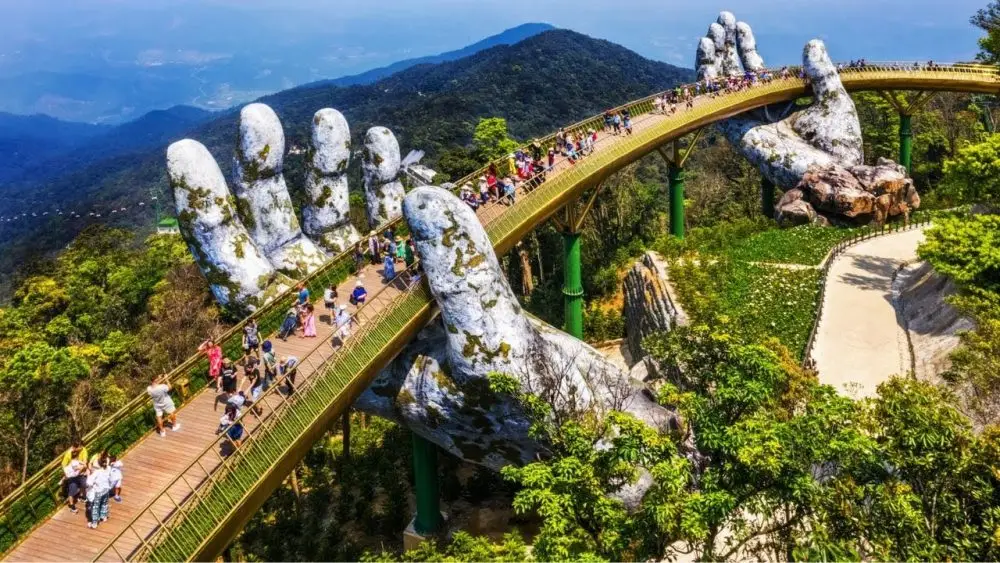
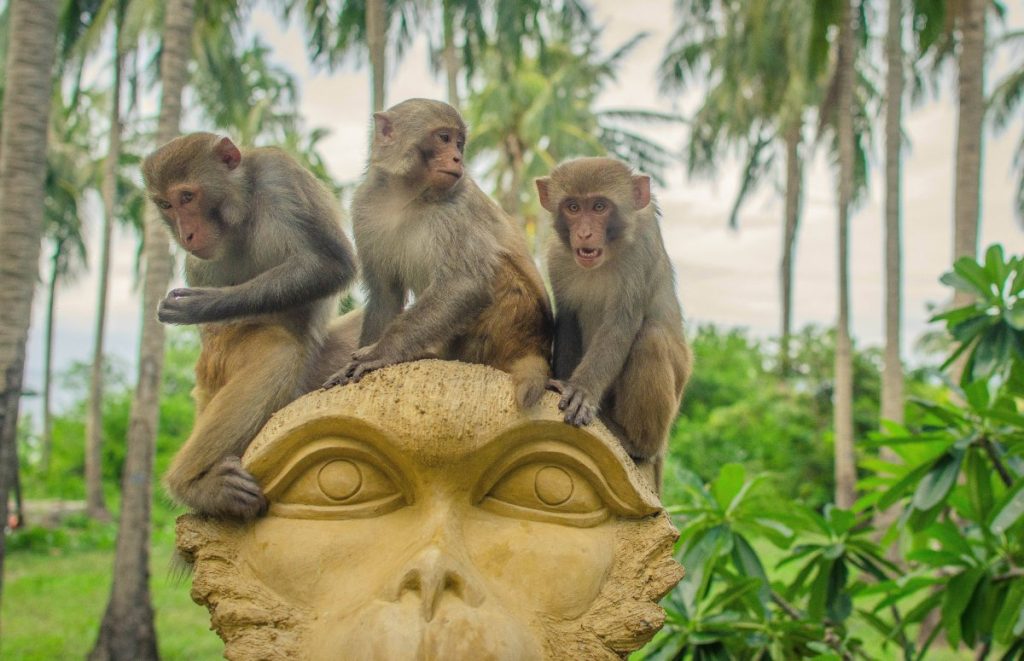 Monkey Island in Nha Trang is a nature reserve that is home to hundreds of primates living in their natural environment. There are several species of monkeys, including long-tailed macaques, gibbons and even rare langurs. The animals are accustomed to tourists, so they boldly approach in search of treats.
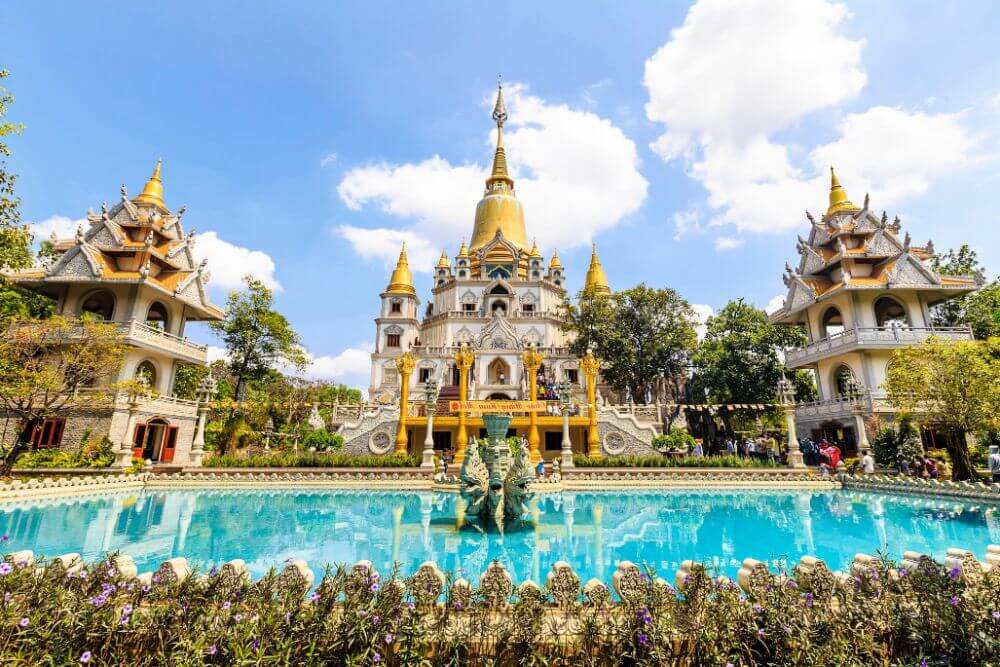 Nha Trang’s attractions create a unique picture of a resort that combines history, nature and modern comfort. Here everyone can choose an activity to their liking. You can stroll among ancient temples, explore the underwater world, taste local cuisine or take part in extreme entertainment.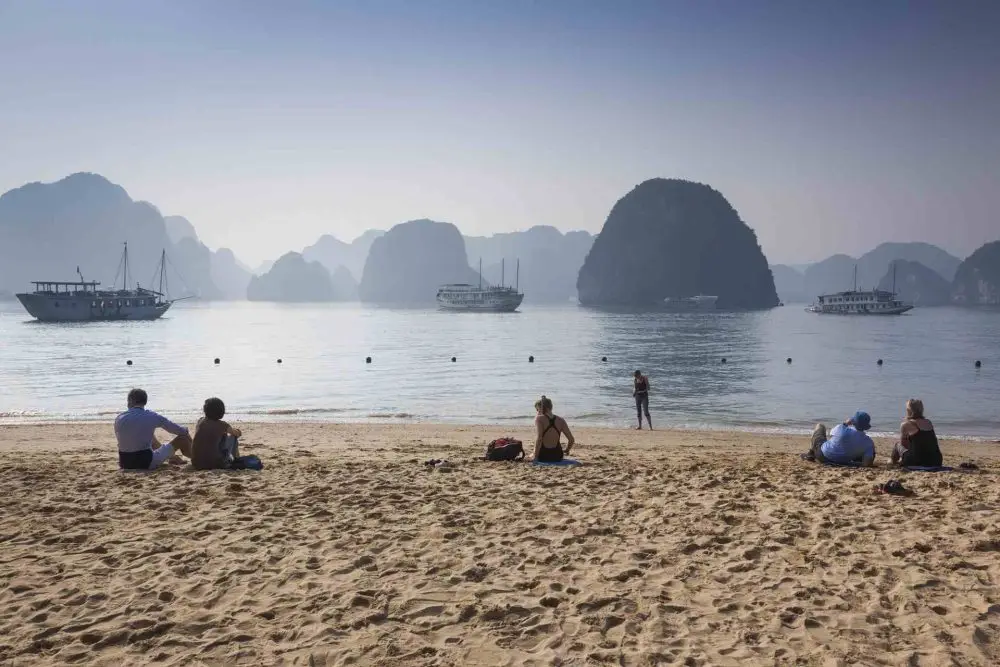
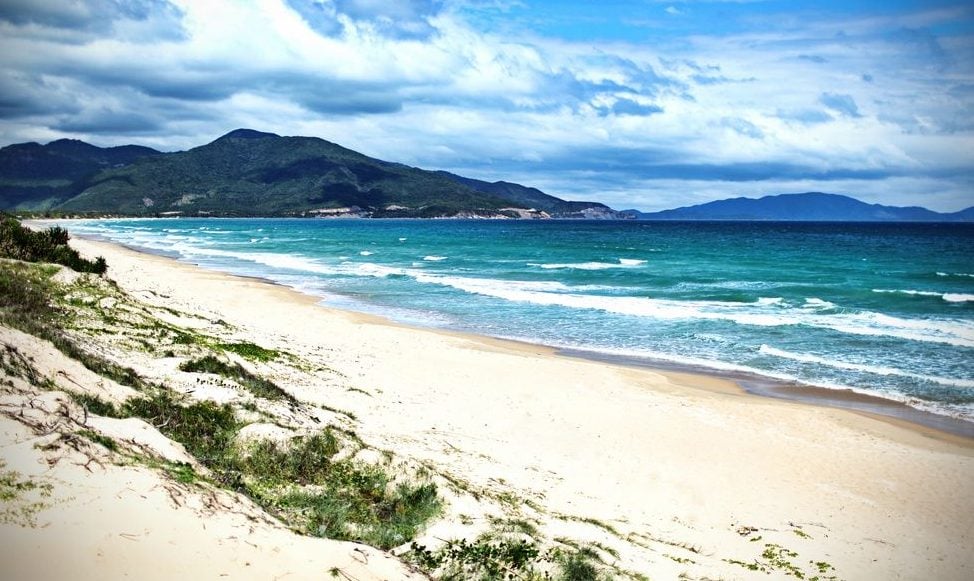 The representative of Vietnam’s top beaches is also located in the Nha Trang area, but offers a completely different holiday format. Bai Dai Beach stretches along unspoilt nature and offers the opportunity to feel completely at one with the sea. The sandy strip, up to 100 metres wide, remains uncrowded even in high season. This is the preferred holiday destination for lovers of tranquillity and surfers due to the steady waves. The water is clean and the infrastructure is characterised by small bars and shade shelters.
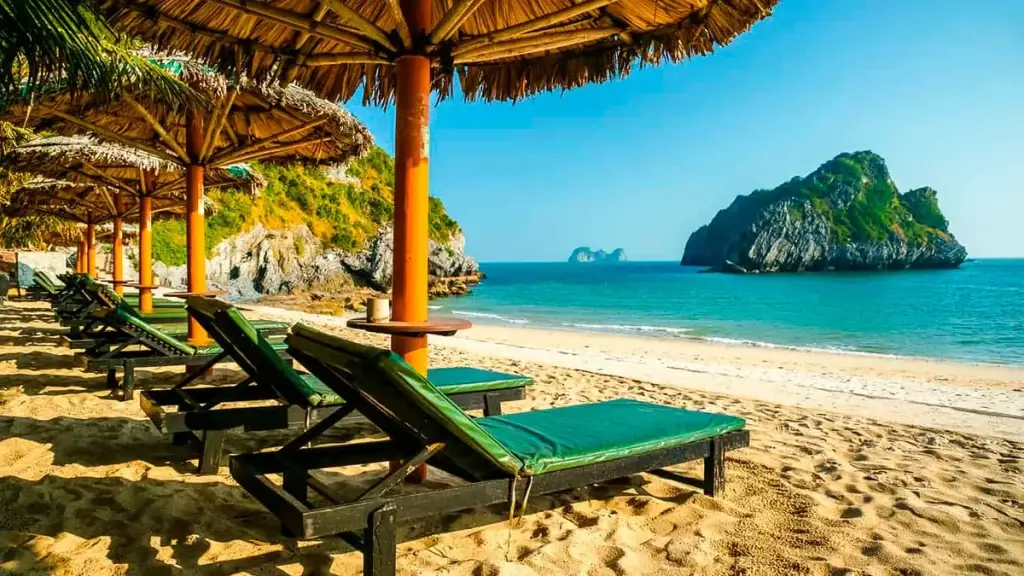 The top beaches in Vietnam cover a variety of holiday formats, from lively resort areas with developed infrastructure to secluded corners of nature. Nha Trang and Da Nang offer a high level of comfort and activities, while Phu Quoc and Con Dao are suitable for those seeking peace and harmony with nature. Each beach surprises with its own uniqueness, be it the white sand of Bai Sao or the kitesurfing waves of Mui Ne. Travellers should consider personal preferences and seasonality when choosing a holiday destination.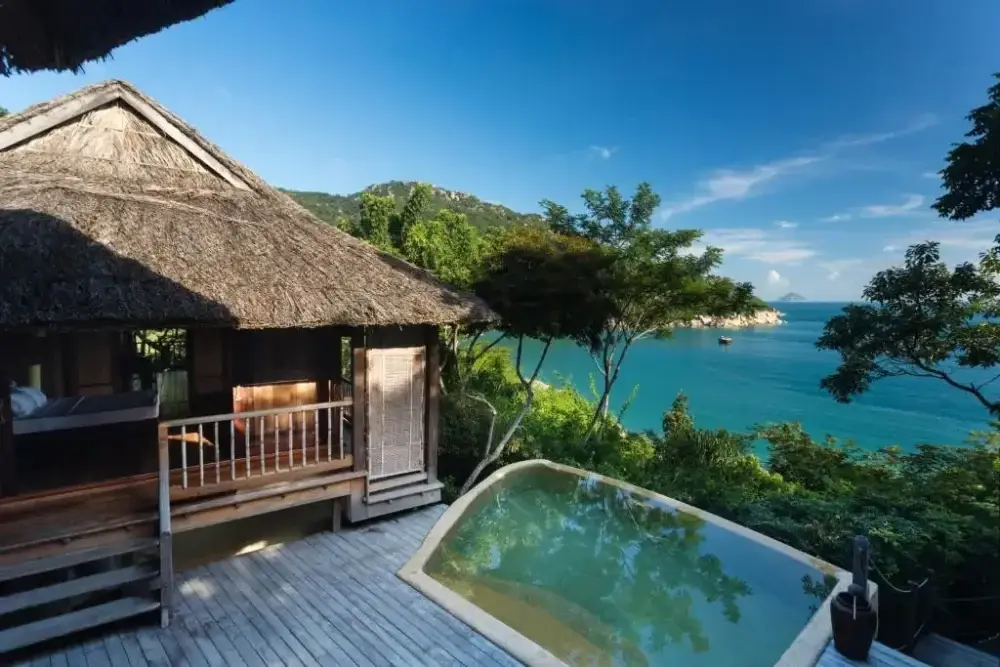
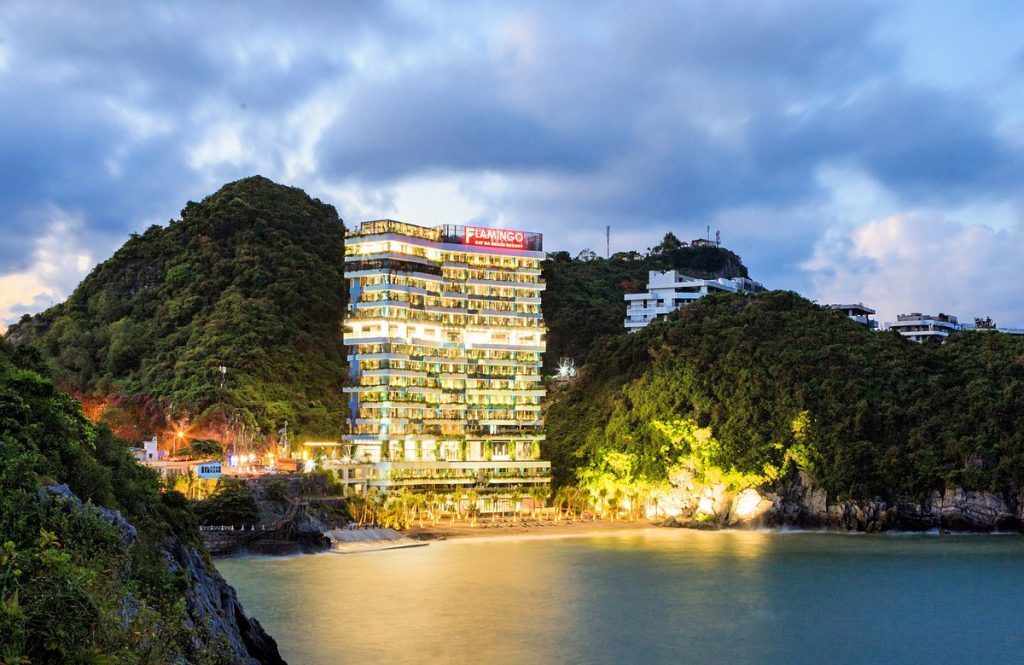 Before choosing, it is important to consider not only the price but also the quality of services, rating, reviews, transport accessibility and features of the beach or city centre. Below is a list of popular options where cheap hotels in Vietnam combine reasonable cost and good conditions:
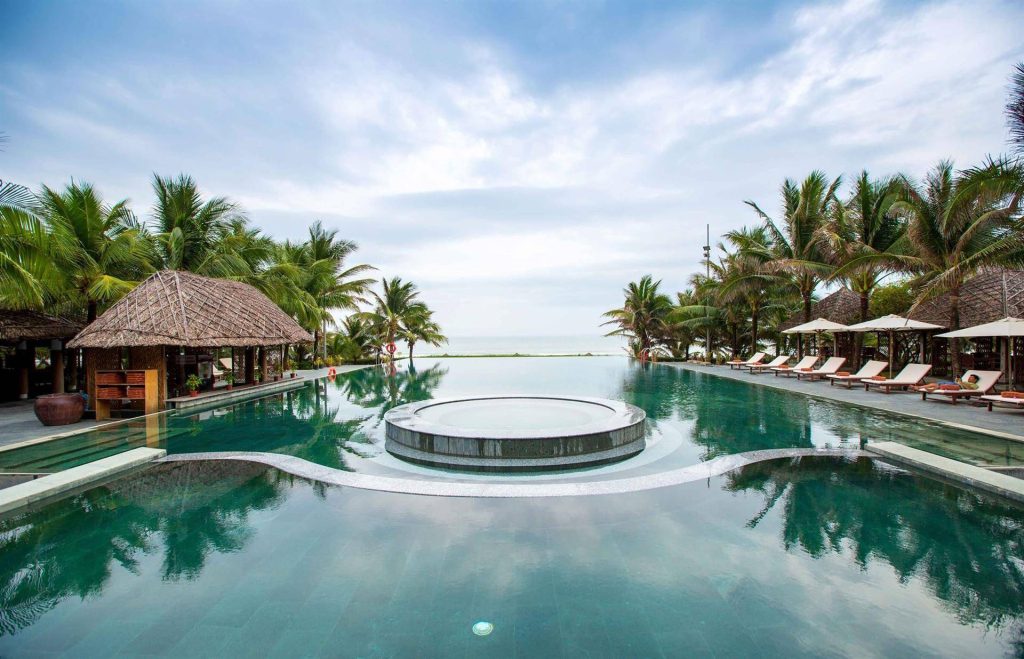 Cheap hotels in Vietnam open the way to a rich, comfortable and affordable holiday without overpaying. With the right choice, you can maximise your experience at a reasonable cost. Travellers who choose accommodation wisely not only save money, but also have an unforgettable experience in one of the most hospitable countries in Southeast Asia.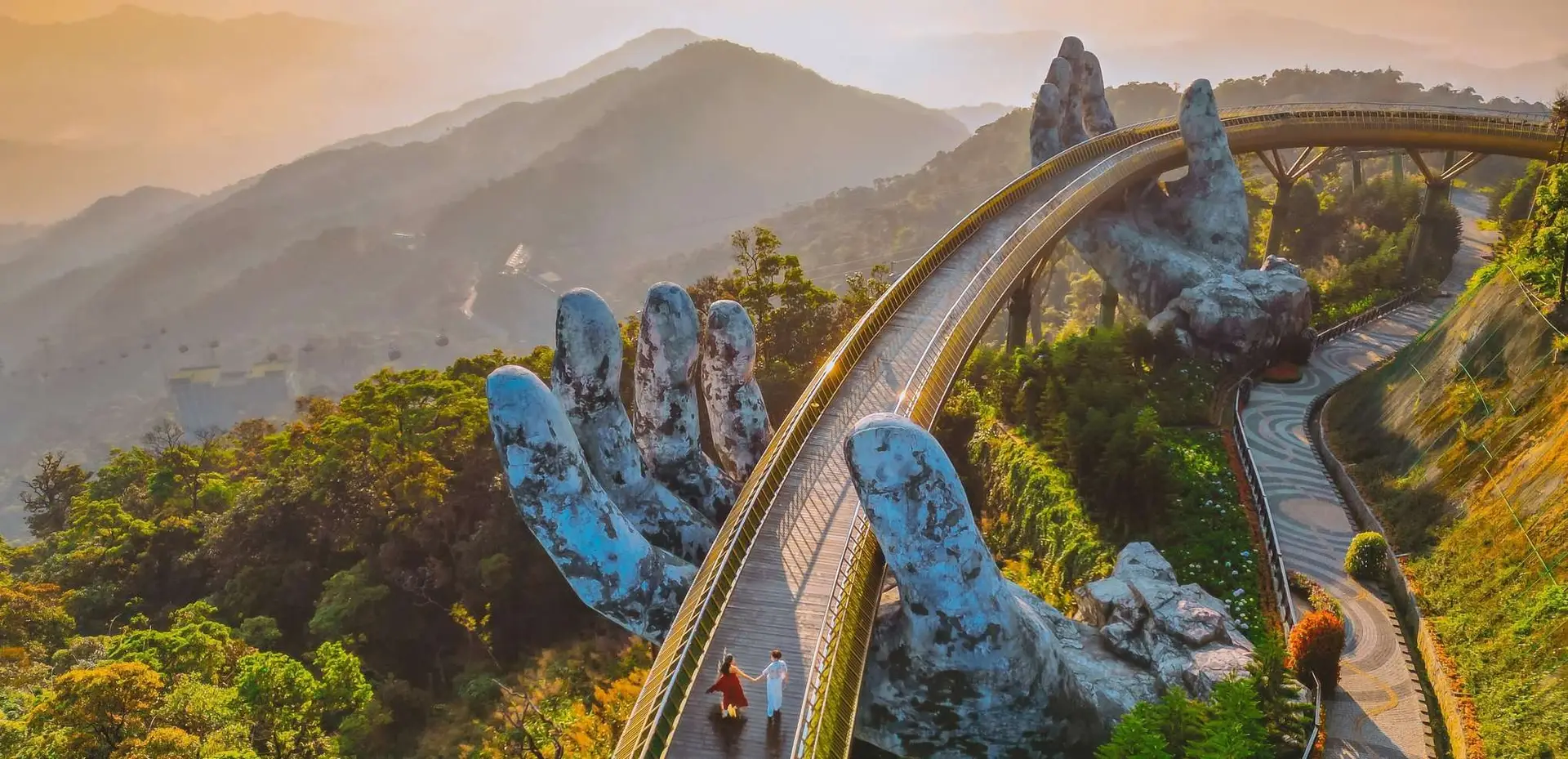
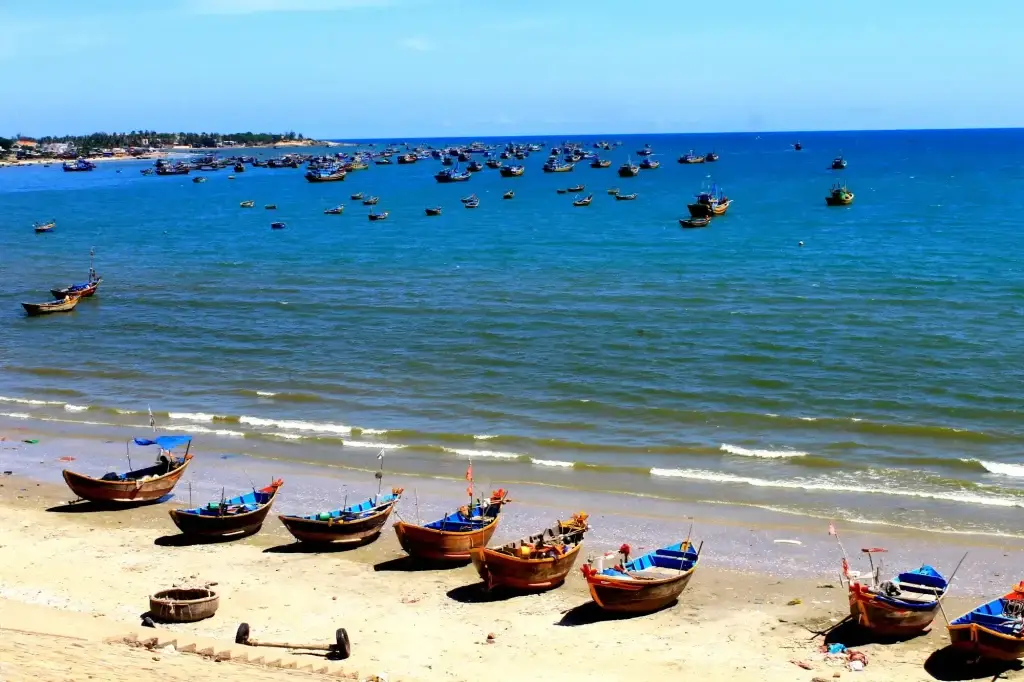 Beaches in the Mui Ne area line holidays along a strip of white sand. Vietnam resorts in this area offer the format “villa + sea”. Without crowds, without noise, with a constant sea breeze. The complex has become a point of attraction for kiters and surfers. Kite surfing schools are open from November to March. The dunes – red and white – form a landscape reminiscent of a desert rather than a beach. Restaurants along the coast operate a morning catch system: fish, crabs, mussels, squid are all caught within 1-2 kilometres of the shore. The tourist does not order a menu – he chooses an ice tray.
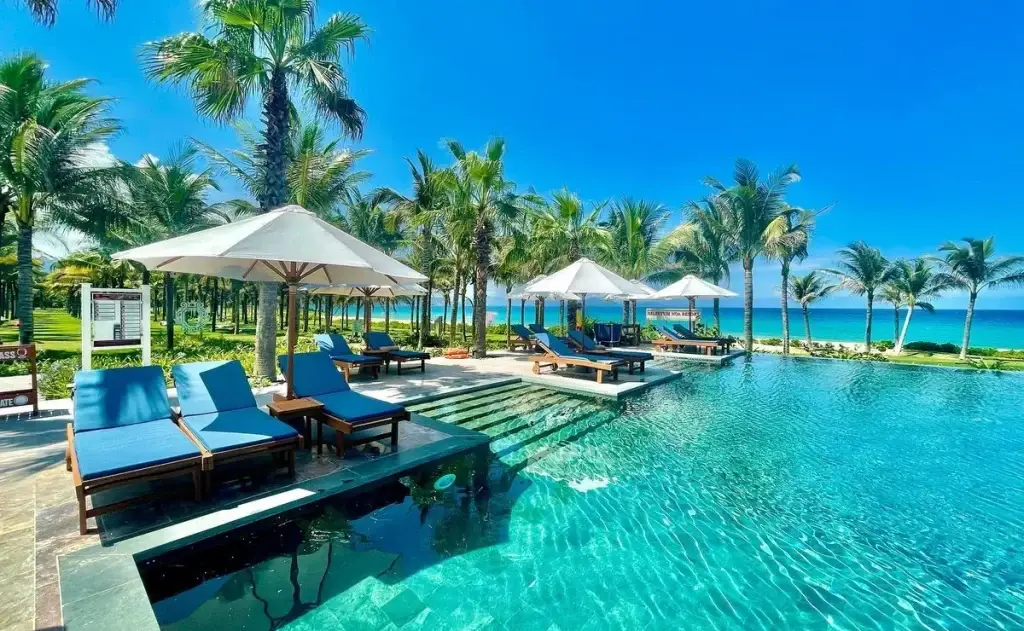 Vietnam’s resorts are not about entertainment, but balance. Here they provide silence, nature, food, air, movement. The country offers holidays as a return to oneself. If the route starts in the chaos of cities, it can end on the shore, where the surf sounds instead of words.